20 Jun 2026
Fabrics with a Lower Carbon Footprint for Contract Projects
From 2030 onwards, a large proportion of new buildings in Europe will be required to meet nearly zero-emission standards. However, the challenge of contemporary architecture is no longer just about how buildings perform, but also how they are constructed. As energy regulations become increasingly demanding, the environmental impact of materials takes centre stage, and emissions become a decisive factor in the design process.
In this context, every material choice matters. This also applies to interior and contract design, where textiles are an essential part of the spatial experience. Upholstery, wall coverings and textile solutions are no longer simply an aesthetic or functional choice, but also a tool for reducing the environmental impact of a project from the very beginning.

In sectors such as hospitality, offices, retail and public spaces, durability and maintenance remain essential. Today, however, architects and interior designers are also looking for materials that meet criteria for traceability, local sourcing and reduced emissions, in line with new European regulations and a more conscious approach to contemporary construction.
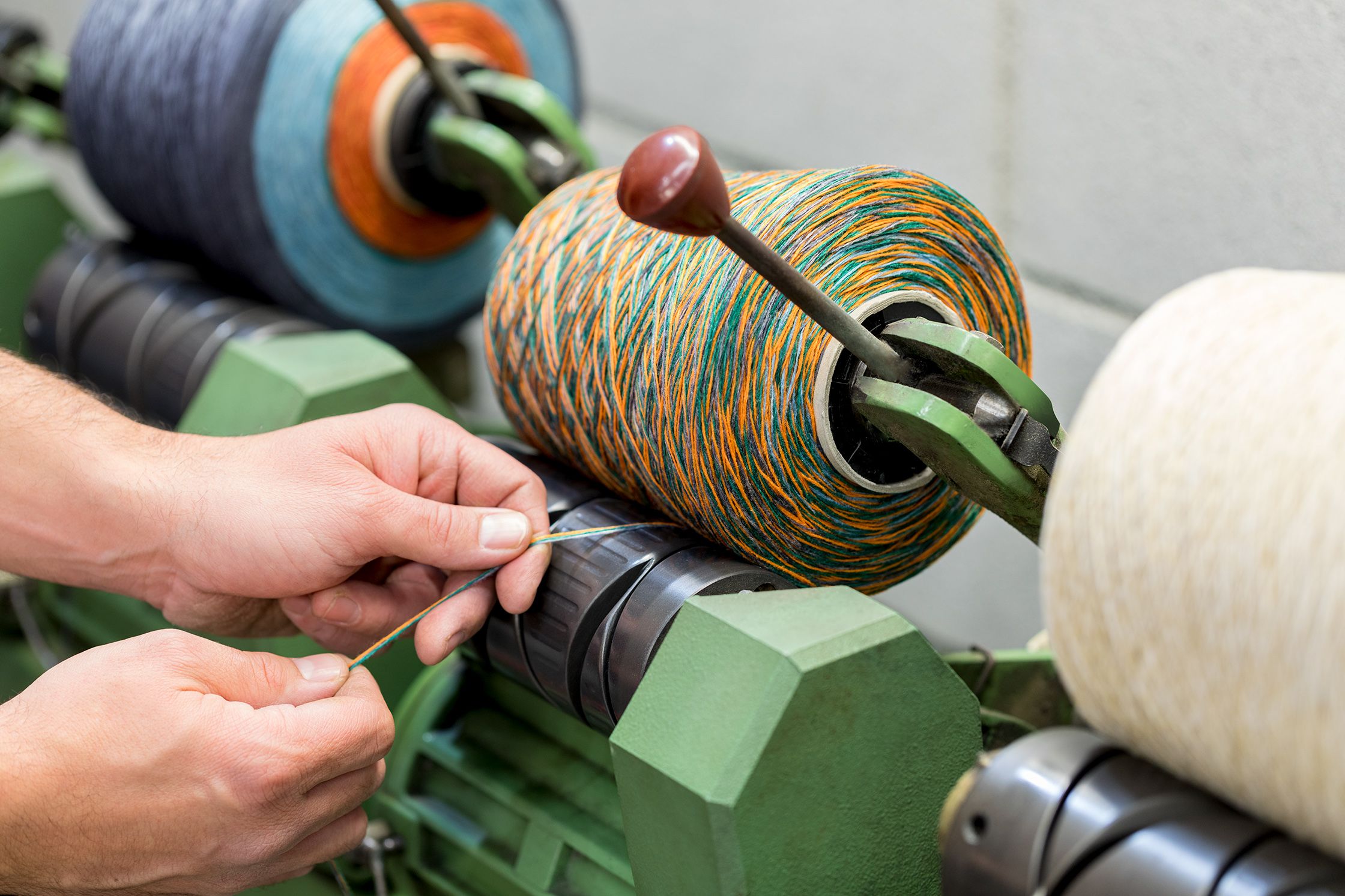
At Exit Fabrics, this approach has been part of the way we design and manufacture for decades. From our facilities in the province of Barcelona, we produce 100% of our fabrics, focusing on local production that allows us to control quality, optimise processes and reduce the environmental impact associated with transport and the supply chain.
Material selection is also part of this strategy. At Exit Fabrics, we develop recycled polyester fabrics with GRS (Global Recycled Standard) certification. Collections such as RELIFE F.R., RELIFE MELANGE F.R., REPLAY F.R. and CRYSTAL F.R. are part of this range of fabrics developed with a focus on making use of existing materials and reducing waste. In addition, our polypropylene fabrics, such as Dekora, One-Two-Four and Gamma, are 100% recyclable.

Sustainability can no longer be understood without measurement. In 2024, together with CECOT and with the support of Acció, Exit Fabrics calculated the greenhouse gas (GHG) emissions of its organisation and various textile products, following ISO 14064-1 and ISO 14067 standards. In 2025, this assessment was extended to new collections, including TOP OUT, SOLAR, FANTASY FIORE, PLUS F.R., STRETCH F.R. and VISUAL CS, further reinforcing its commitment to reducing its carbon footprint.
These initiatives provide increasingly valuable information for contract projects that follow environmental certifications or international sustainability standards. Reducing emissions is no longer solely about major structural decisions: it also involves choosing materials that balance technical performance, durability and a lower environmental impact.
20 Jun 2026
Exit Fabrics x Masquespacio

20 Jun 2026
Textiles for spaces that defy the sun

20 Jun 2026
Textures and colors for the exterior