20 Sep 2026
Exit Fabrics x Masquespacio
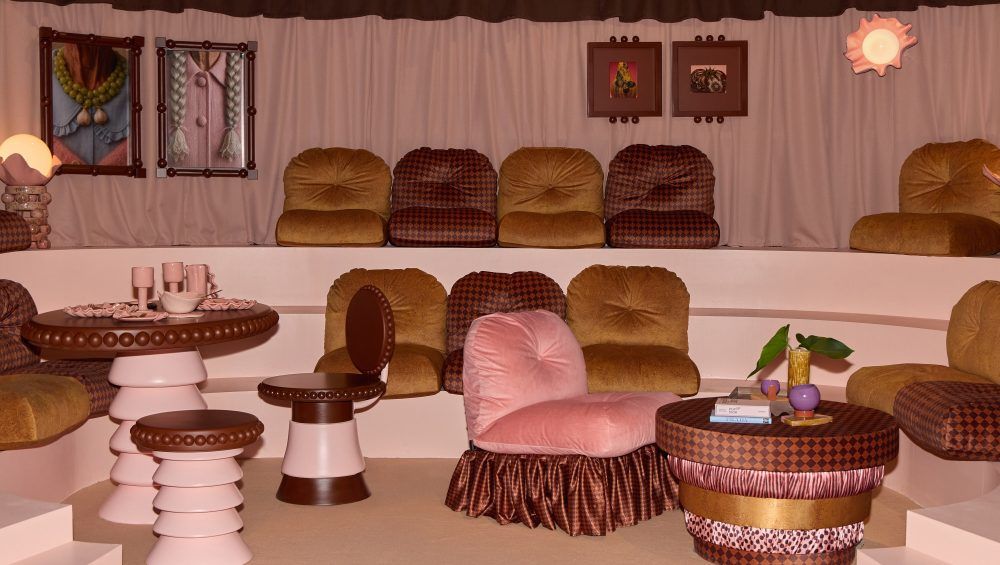
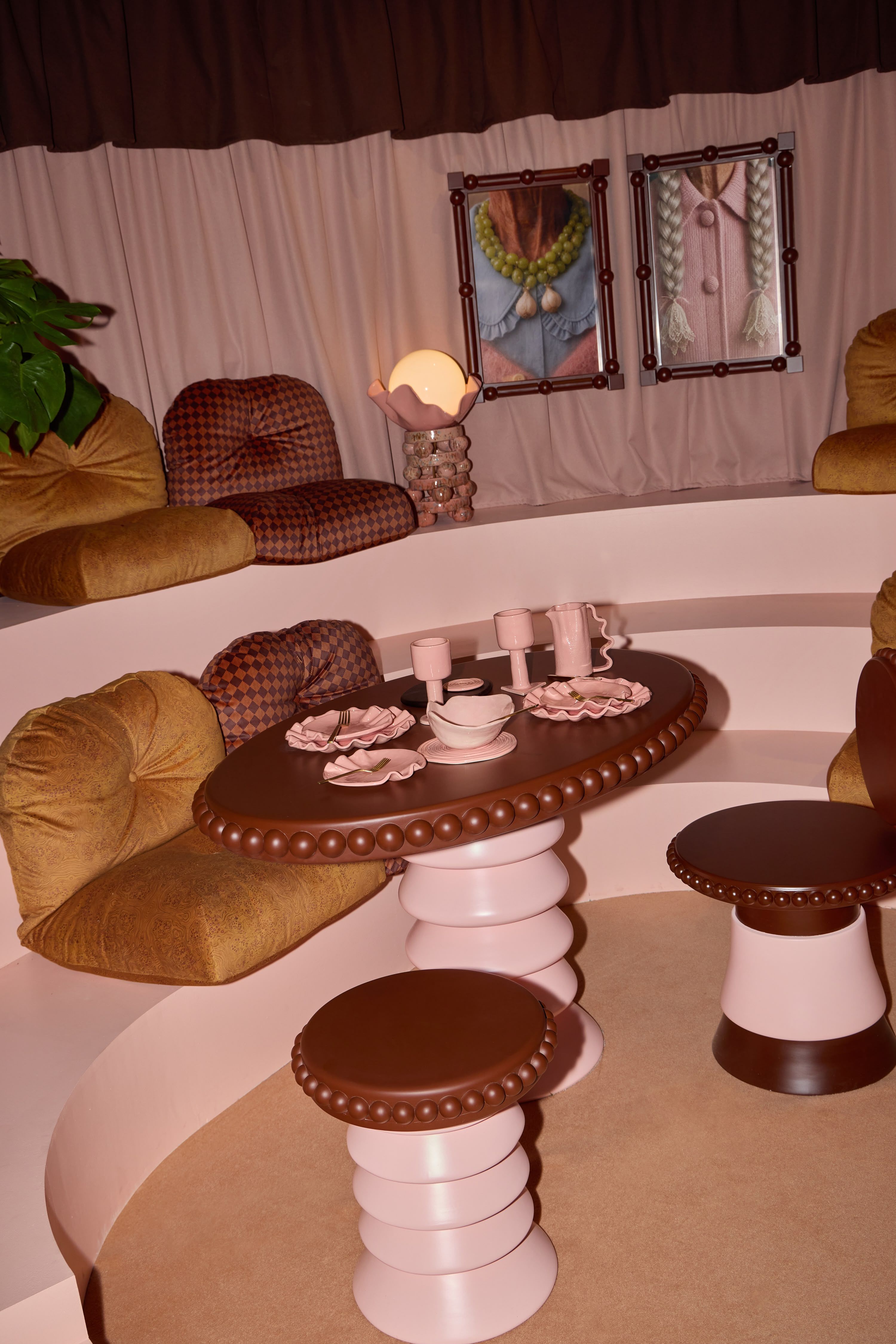
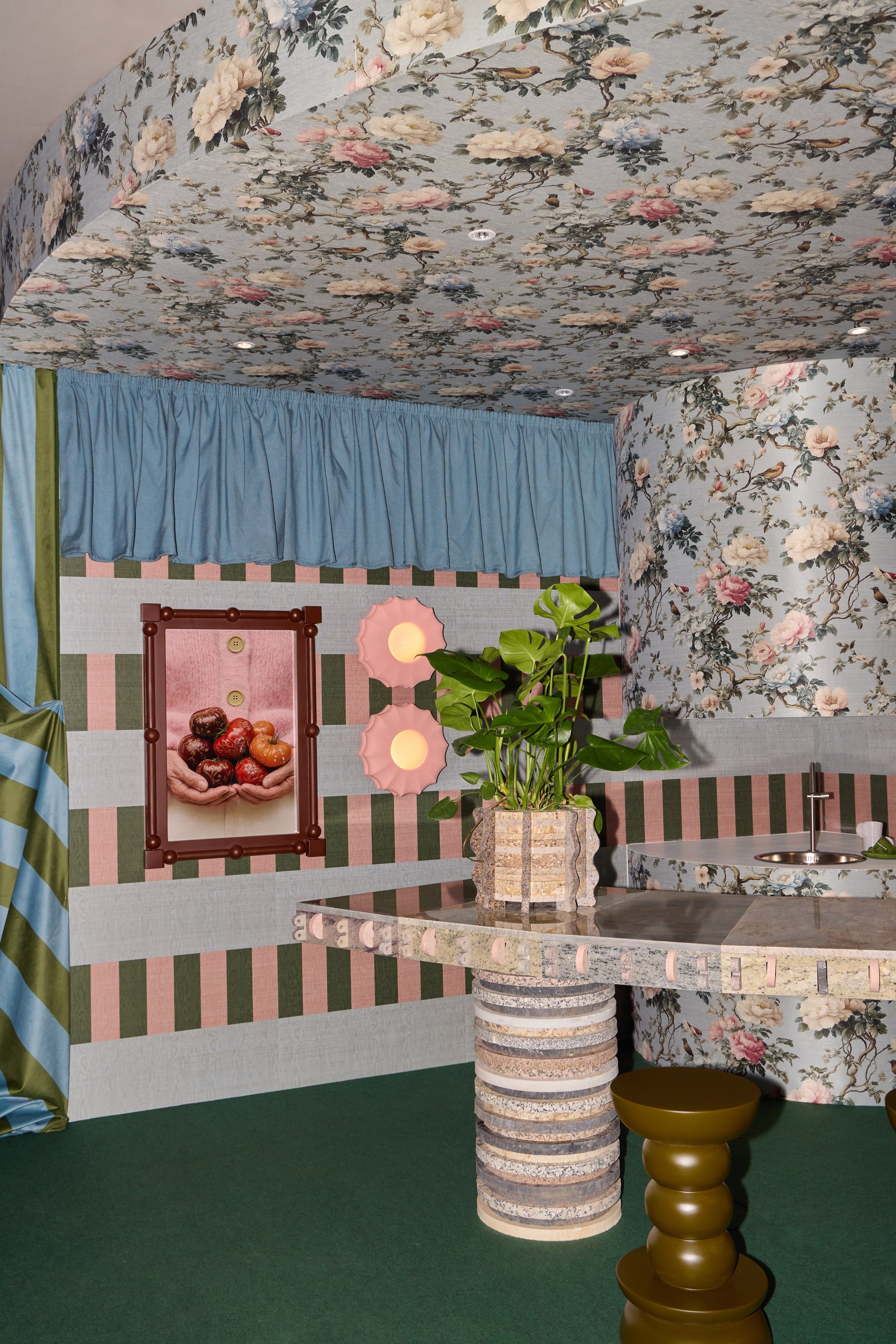
On the occasion of Feel the Shift, the installation conceived by Masquespacio for Maison&Objet, Exit Fabrics collaborated with the studio to explore fabric as an essential part of the spatial experience.
The Jazz CS, Bali, Basic FR and Four collections brought to life a concept shaped by colour, texture and touch. We spoke with Masquespacio about their creative process and the evolution of their design language towards increasingly material-driven, sensory and emotional spaces.
Join us!
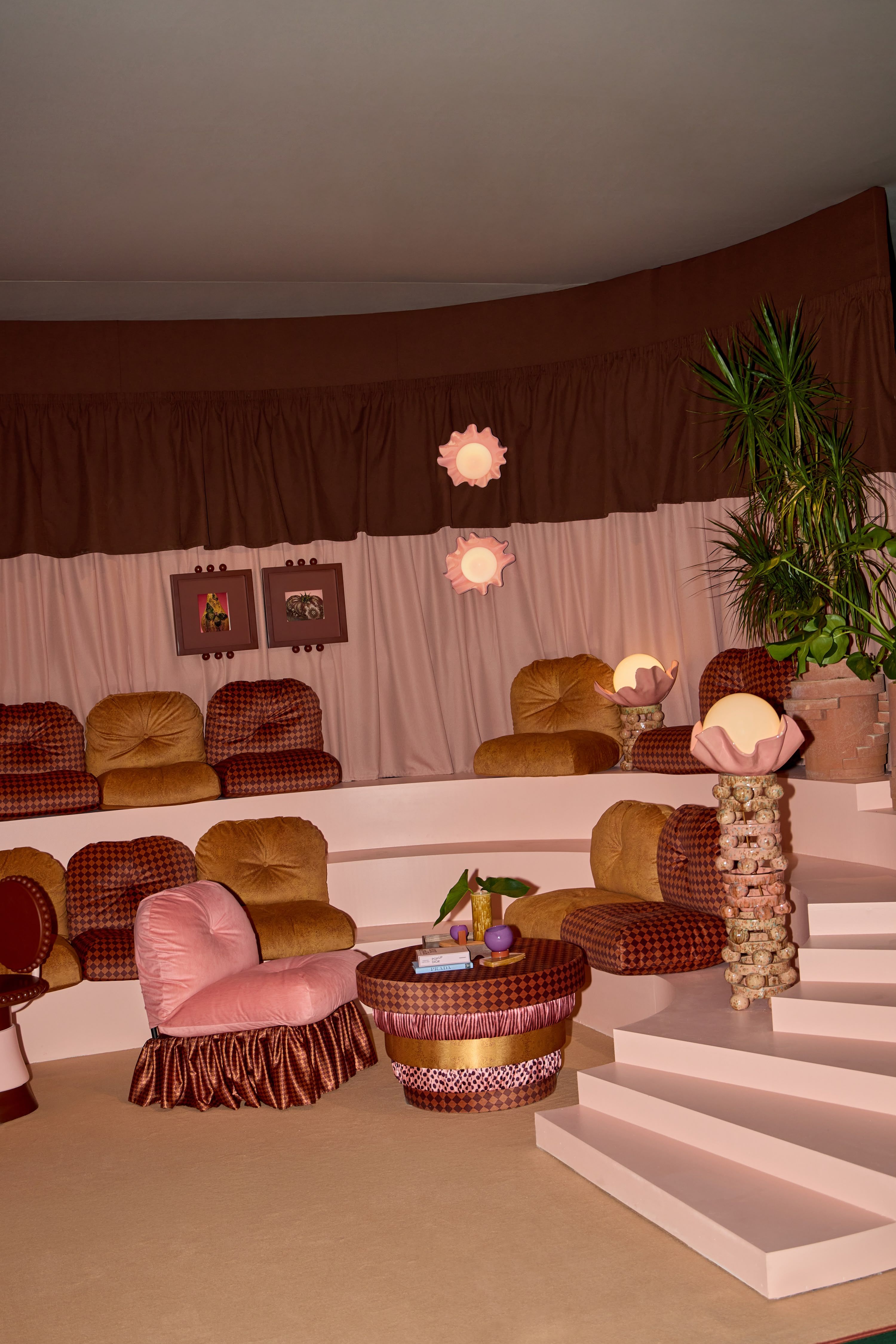
Throughout your career, colour has always been a defining feature of your work. What role does materiality play in your current design language, and how important is it to you?
In our current design language, materiality plays a central role. We want to move towards spaces with more materials, more layers and a greater richness of contrasts. In our earlier work, we were perhaps somewhat more minimalist in terms of the number of materials we selected; now, we’re interested in exploring how very different materials can coexist and enhance one another.
As part of this exploration, fabric takes on a particularly important role. We’ve always been passionate about textiles, but now we want them to become one of the main elements in our spaces. For us, textiles are perhaps the most human of all materials: they bring warmth and create an immediate connection through touch. Their softness and tactile quality allow us to create contrasts between different textiles, as well as between fabric and other materials.
What led you to choose Exit Fabrics’ Jazz CS, Bali, Basic FR and Four collections, and how do they contribute to shaping the project’s sensory identity?
In our current design language, materiality plays a central role. We want to move towards spaces with more materials, more layers and a greater richness of contrasts. In our earlier work, we were perhaps somewhat more minimalist in terms of the number of materials we selected; now, we’re interested in exploring how very different materials can coexist and enhance one another.
As part of this exploration, fabric takes on a particularly important role. We’ve always been passionate about textiles, but now we want them to become one of the main elements in our spaces. For us, textiles are perhaps the most human of all materials: they bring warmth and create an immediate connection through touch. Their softness and tactile quality allow us to create contrasts between different textiles, as well as between fabric and other materials.
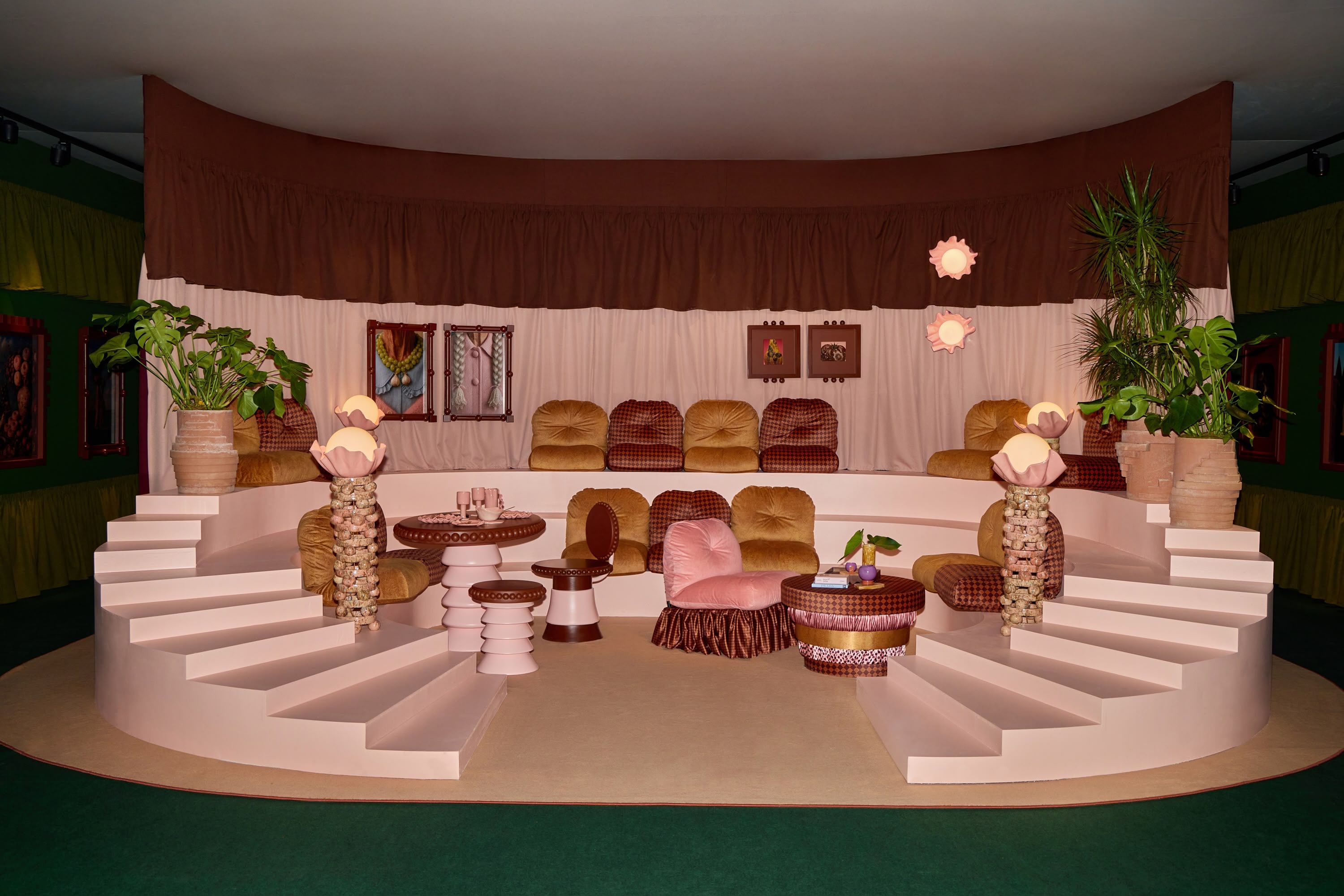
Feel the Shift explores the energy that emerges when a person connects with a space. How do you think fabric can transform the way we perceive architecture?
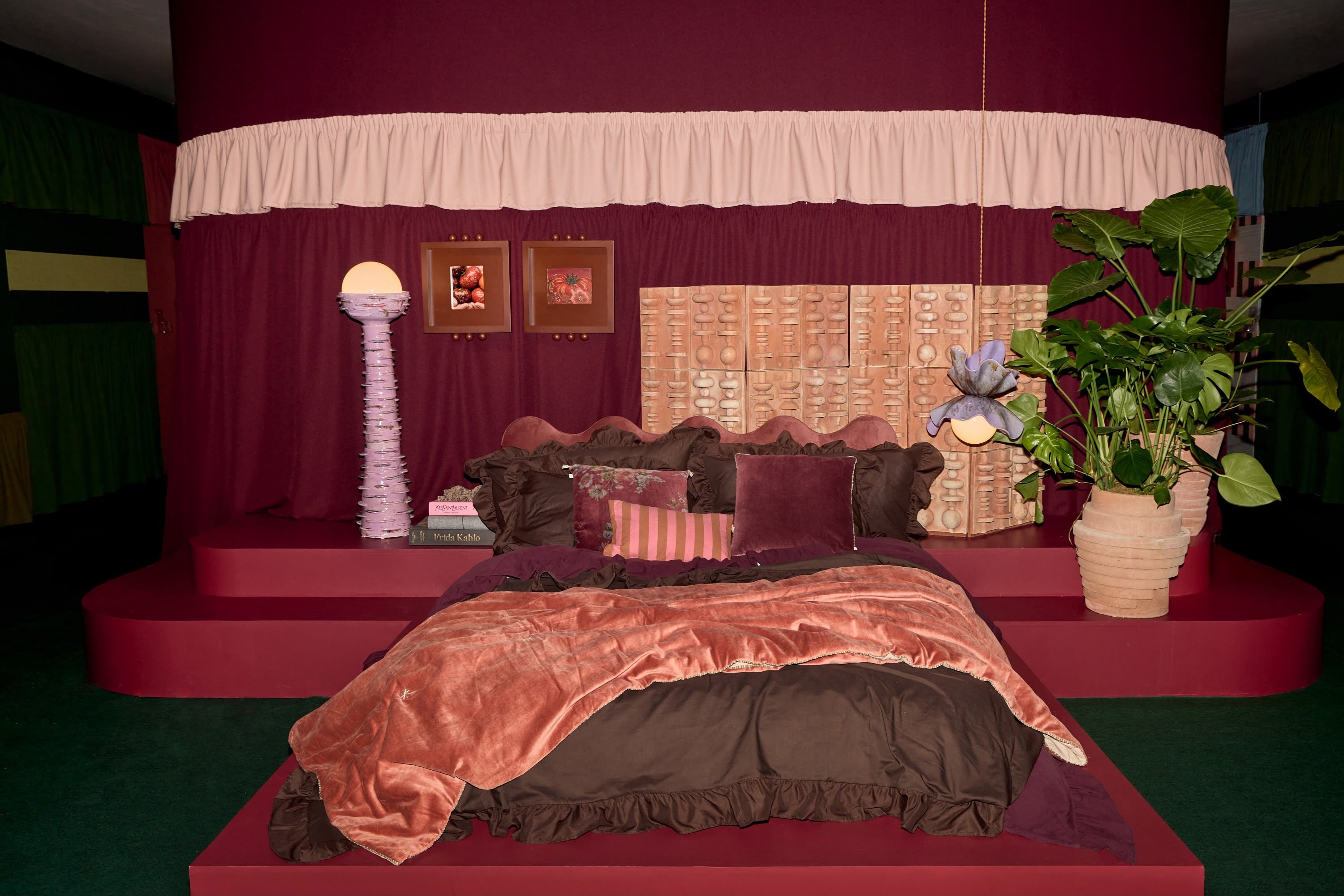
In our current design language, materiality plays a central role. We want to move towards spaces with more materials, more layers and a greater richness of contrasts. In our earlier work, we were perhaps somewhat more minimalist in terms of the number of materials we selected; now, we’re interested in exploring how very different materials can coexist and enhance one another.
As part of this exploration, fabric takes on a particularly important role. We’ve always been passionate about textiles, but now we want them to become one of the main elements in our spaces. For us, textiles are perhaps the most human of all materials: they bring warmth and create an immediate connection through touch. Their softness and tactile quality allow us to create contrasts between different textiles, as well as between fabric and other materials.
What possibilities do textiles offer compared to other materials in an interior design project?
Above all, lightness. When working with marble, stone, wood or other harder materials, textiles introduce a sense of lightness and warmth. They soften the overall space, create contrast and invite people to come closer and touch.
Where do you see the emotional and sensory dimensions of interior design heading?
We live in a world that is very focused on trends. In recent years, and probably also due to technological advances, we’ve seen a shift towards more futuristic spaces. These spaces may have a sensory dimension, but it is often approached from a rather rational perspective.
We still strongly believe in emotional and sensory experiences because they are at the heart of our projects. With our new design language, we want to take this dimension even further, although we understand that emotions and sensory perceptions can vary from person to person and depend greatly on individual character.
We also believe it’s important to be careful. In recent years, the pursuit of sensory and emotional experiences has led to many spaces that are overly themed and lack longevity. We want to move away from this approach and create experiences that evoke genuine emotion without becoming a passing theatrical set.
20 Sep 2026
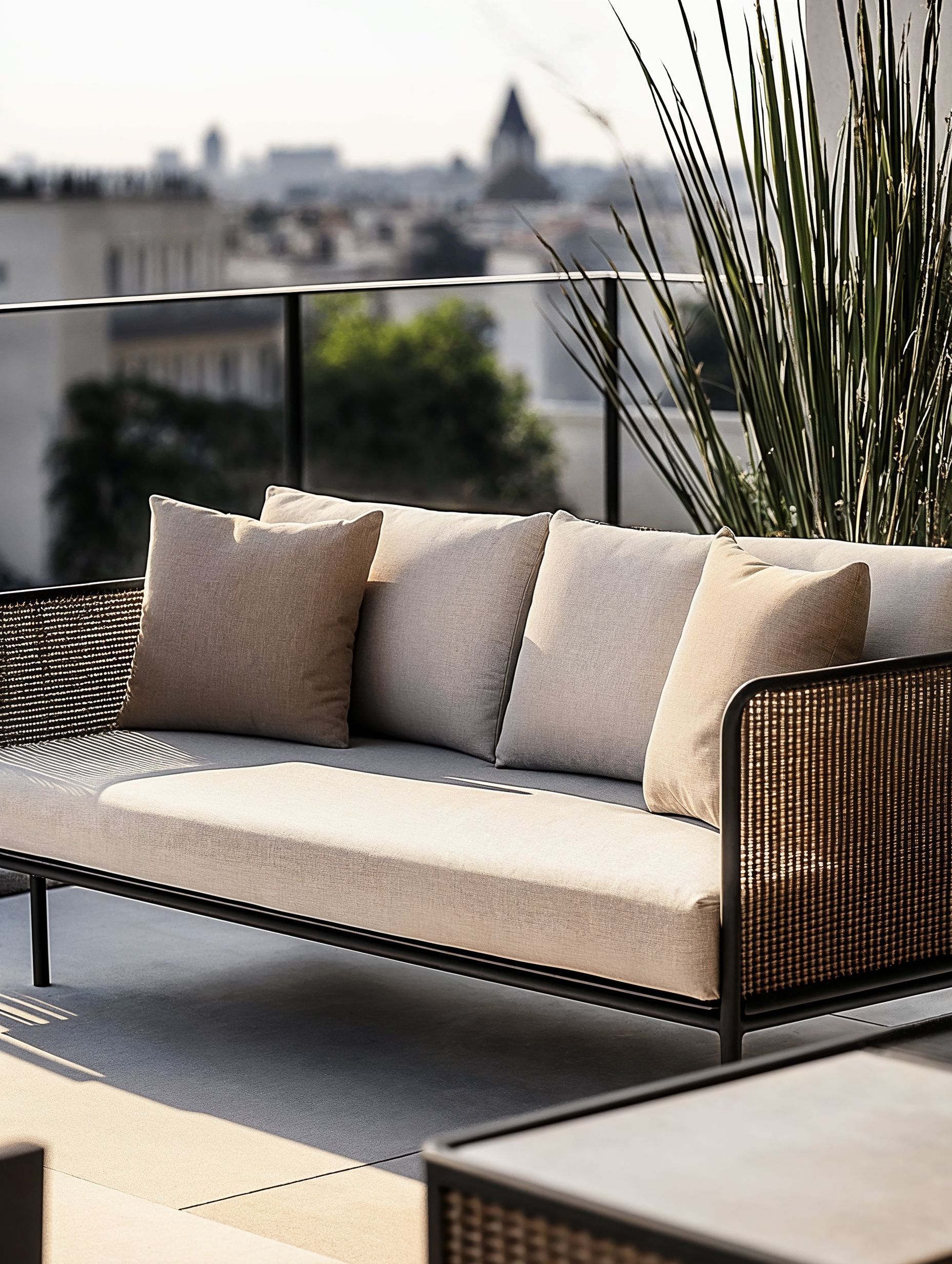
Textiles for spaces that defy the sun
20 Sep 2026
Textures and colors for the exterior